"There's no such thing as bad weather, only inappropriate clothing and gear. On Kilimanjaro, your equipment can mean the difference between summit success and failure, comfort and misery."
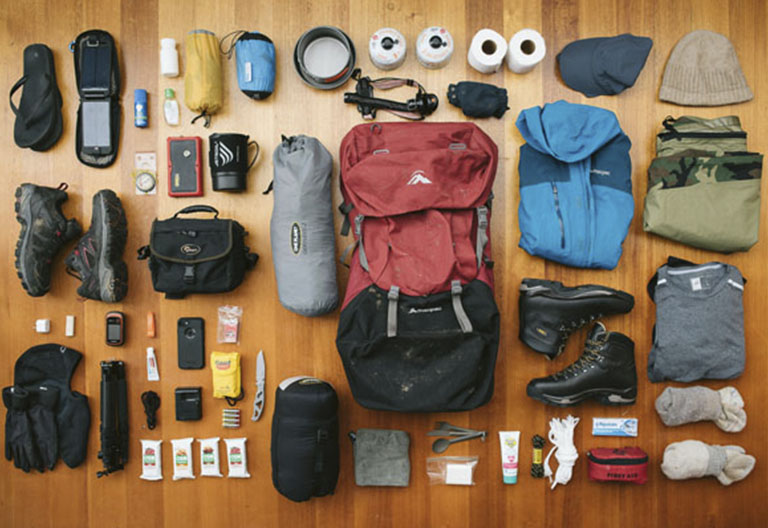
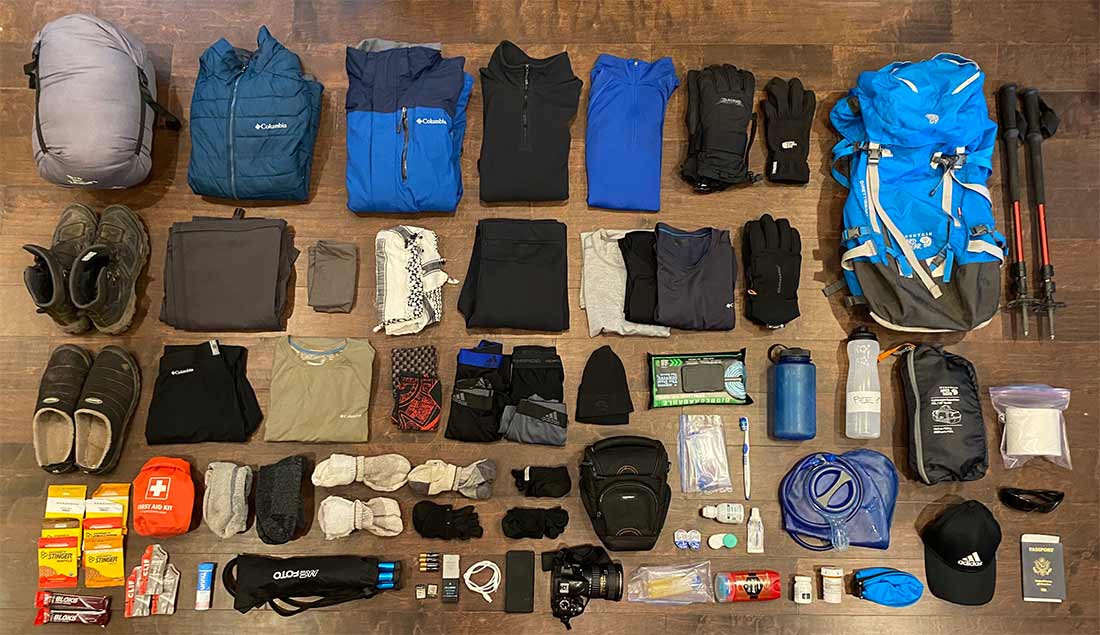
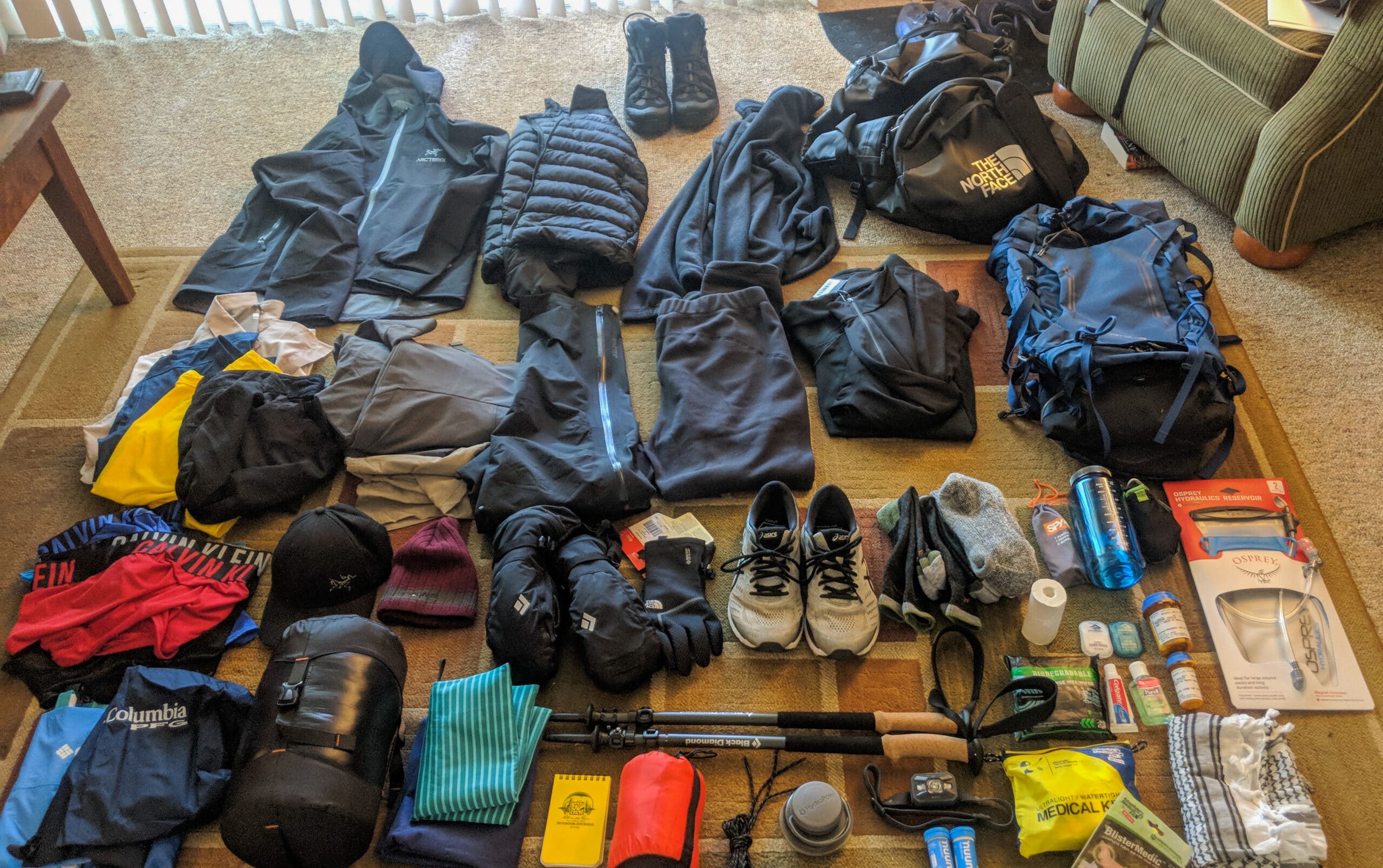
Packing for Mount Kilimanjaro requires careful consideration of the mountain's unique challenges: five distinct climate zones, temperature extremes from +25°C to -25°C, and rapidly changing weather conditions. This comprehensive packing guide covers every essential item you'll need for a safe, comfortable, and successful climb. Remember that while porters carry most of your gear, your daypack containing critical items stays with you at all times.
The Layering System: Your Foundation for Comfort
Understanding the layering system is crucial for managing Kilimanjaro's extreme temperature variations. This system allows you to add or remove layers as conditions change throughout the day and across different altitude zones.
Proper layering can reduce heat loss by up to 40% compared to wearing a single heavy layer. The moisture-wicking, insulating, and protective functions of each layer work together to maintain optimal body temperature in changing conditions.
Base Layers: Moisture Management
Your base layer sits directly against your skin and is responsible for moisture management:
Material Choices: Merino wool or synthetic fabrics like polyester or polypropylene are ideal. Avoid cotton completely as it retains moisture and loses insulating properties when wet.
Quantity Recommendations: Bring 2-3 sets of base layers. You'll want a fresh set for summit night and alternates for the other days of your climb.
Fit Considerations: Base layers should fit snugly but not restrict movement. Look for flatlock seams to prevent chafing during long hiking days.
Mid Layers: Insulation
Mid layers provide insulation by trapping warm air close to your body:
Fleece Jacket: A medium-weight fleece (200-300 weight) offers excellent warmth-to-weight ratio and maintains insulation when damp.
Insulated Jacket: A down or synthetic insulated jacket is essential for camp wear and summit night. Down offers superior warmth-to-weight but loses insulation when wet, while synthetic insulation performs better in damp conditions.
Versatile Options: Consider a grid-fleece hoody or insulated vest for additional layering options that provide core warmth without bulk.
Outer Layers: Weather Protection
Your outer shell protects against wind, rain, and snow:
Waterproof Jacket: A high-quality Gore-Tex or equivalent waterproof/breathable shell is non-negotiable. Look for fully taped seams, waterproof zippers, and adjustable cuffs and hood.
Waterproof Pants: Similarly, waterproof overtrousers with full-length side zippers allow easy putting on and removal over boots and other layers.
Features Matter: Pit zips for ventilation, multiple pockets with storm flaps, and adjustable hood systems that accommodate helmets are worth the investment.
5
Climate zones to prepare for
-25°C
Summit temperatures
3+2+1
Layering system principle
Footwear: Your Most Critical Equipment
Proper footwear can prevent blisters, provide stability on uneven terrain, and keep your feet warm during the frigid summit push.
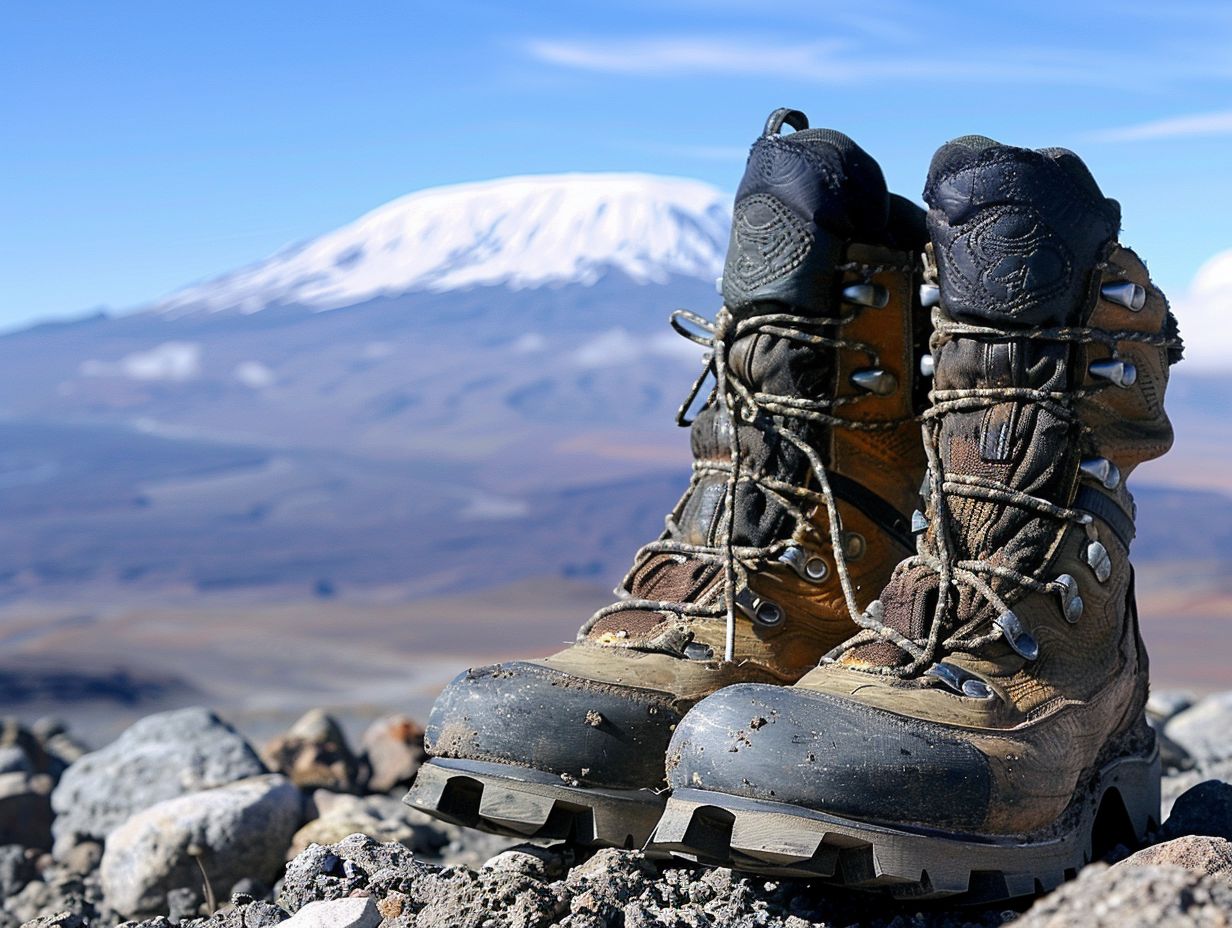
Investing in quality broken-in boots is essential for comfort and safety on Kilimanjaro
Mountaineering Boots
Your primary footwear for the entire climb should be B2 or B3 rated mountaineering boots:
Insulation and Warmth: Look for boots with integrated insulation (at least 200g) and waterproof/breathable membranes. Your boots should be rated for -20°C to -30°C conditions.
Ankle Support: High-cut boots provide crucial ankle support on rocky, uneven terrain and when carrying a loaded pack.
Break-in Period: Start breaking in new boots at least 2-3 months before your climb. Wear them on training hikes with your loaded daypack to ensure proper fit.
Camp Shoes and Additional Footwear
Don't underestimate the importance of camp comfort:
Camp Shoes: Lightweight sneakers, approach shoes, or sturdy sandals give your feet a break from boots and are essential for moving around camp.
Gaiters: Knee-high waterproof gaiters prevent snow, scree, and mud from entering your boots, particularly important during the summit descent.
Extra Socks: Bring 4-5 pairs of hiking socks (merino wool or synthetic blend) plus 1-2 pairs of dedicated summit socks.
Pro Tip: Use a two-sock system for summit night: a thin synthetic liner sock under a thick wool hiking sock. This combination reduces friction and provides maximum warmth while wicking moisture away from your feet.
Headwear and Hand Protection
Significant body heat is lost through the head and hands, making proper protection essential for comfort and safety.
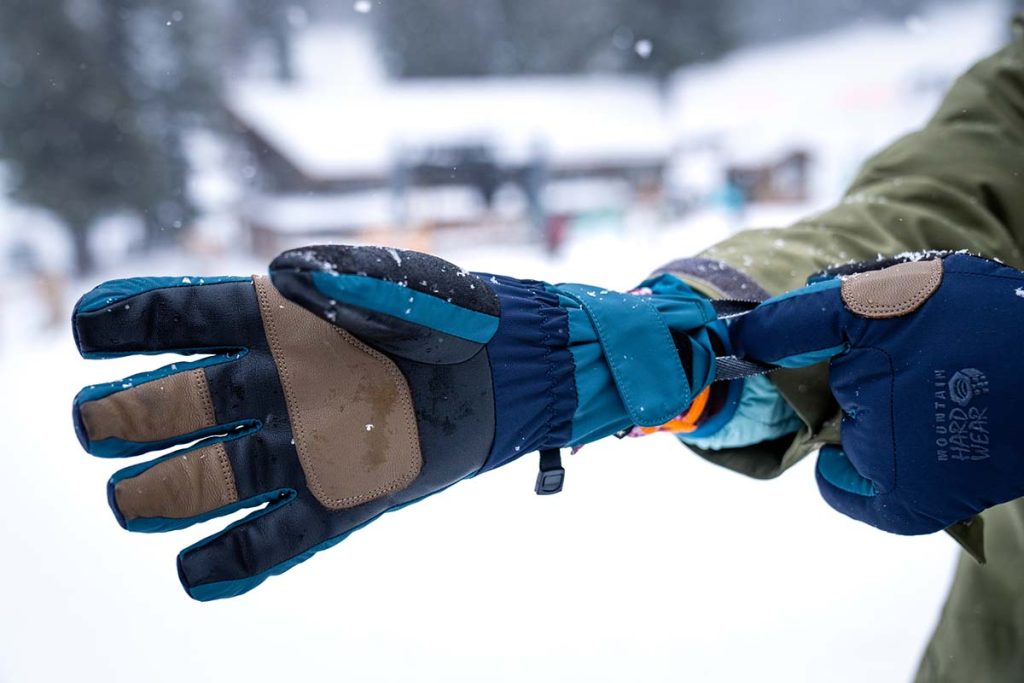
Proper head and hand protection is crucial for managing body temperature in extreme conditions
Headwear System
A multi-layer approach to head protection ensures adaptability to changing conditions:
Base Layer: A synthetic or wool beanie that fits comfortably under your hoods. Consider a balaclava for summit night for full face protection.
Mid Layer: A fleece or insulated hat with ear protection for colder conditions at higher camps.
Outer Layer: Your jacket hood provides the final wind and weather protection layer.
Sun Protection: A wide-brimmed sun hat and neck gaiter are essential for protection against intense equatorial sun at lower elevations.
Glove System
Like your clothing system, gloves should follow a layering approach:
Liner Gloves: Thin synthetic gloves for cool mornings and dexterity needs like operating camera equipment or adjusting gear.
Insulated Gloves: Medium-weight insulated gloves for general hiking in cold conditions. Look for models with touchscreen compatibility.
Summit Mittens: Heavy-duty expedition mittens with waterproof shells for summit night. Mittens provide superior warmth compared to gloves by keeping fingers together.
Start Planning Your Adventure Today
Get expert advice and personalized safari itineraries from our local Tanzania specialists
Technical Gear and Equipment
Specialized equipment enhances safety, comfort, and your overall climbing experience on Kilimanjaro.
Trekking Poles
Many climbers underestimate the value of trekking poles until they experience their benefits:
Reduced Impact: Poles reduce knee and joint impact by 25-30% during descents, particularly important on Kilimanjaro's steep scree slopes.
Improved Stability: Four points of contact significantly improve balance on uneven terrain and during stream crossings.
Upper Body Work: Poles engage your upper body, distributing effort more evenly and reducing leg fatigue.
Headlamp and Lighting
Proper lighting is essential for summit night and early morning starts:
Headlamp Requirements: Choose a headlamp with at least 300 lumens, multiple brightness settings, and red light mode to preserve night vision.
Battery Considerations: Bring extra batteries (lithium batteries perform better in cold) or a power bank if using a rechargeable model.
Backup Lighting: A small backup light or flashlight provides insurance if your primary headlamp fails.
Hydration Systems
Staying hydrated is crucial for acclimatization and performance:
Water Bladders vs. Bottles: While bladders offer convenient drinking, they can freeze at high altitude. Many experienced climbers prefer insulated water bottles for summit night.
Insulation: Use insulated tube covers for bladders and consider bottle parkas to prevent freezing.
Capacity: Carry at least 3 liters of water capacity in your daypack, with additional bottles available in your duffel for camp use.
25-30%
Reduced knee impact with poles
300+
Headlamp lumens recommended
3L
Minimum water capacity needed
Daypack Essentials: What to Carry Daily
Your daypack should contain everything you need for each day's hike, as you won't have access to your main duffel until camp.
Critical Daypack Items
These items should never leave your daypack during hiking hours:
Rain Gear: Your waterproof jacket and pants should be readily accessible, not buried at the bottom of your pack.
Warm Layers: Your fleece and insulated jacket for sudden temperature drops or rest stops.
Hydration: All your water for the day's hike, plus water purification tablets as backup.
Snacks: High-energy snacks to maintain blood sugar levels throughout the day.
First Aid: Personal first aid kit including blister treatment, medications, and any personal prescriptions.
Sun Protection: Sunscreen, lip balm with SPF, and sunglasses with UV protection.
Headlamp: Even for day hikes, in case of delays that extend into darkness.
Camera: With extra batteries, as cold drains battery life rapidly.
Summit Night Specific Gear
Prepare a separate summit pack within your daypack for the final push:
Extra Warm Layers: Your warmest base layers, insulated jacket, and summit mittens.
Additional Nutrition: Easily accessible high-energy foods that won't freeze solid.
Hot Liquids: Insulated thermos with hot tea, coffee, or soup for the summit push.
Hand Warmers: Chemical hand and toe warmers for extra comfort during the coldest hours.
Your daypack weight should not exceed 30% of your body weight. A properly packed daypack feels balanced and doesn't pull you backward. Test your packed weight during training hikes to ensure comfort over long distances.
Duffel Bag Organization and Porter Guidelines
Understanding how to pack your duffel bag properly ensures your gear arrives dry and organized at each camp.
Duffel Bag Specifications
Follow these guidelines for your main luggage:
Size Limitations: Most operators specify 15-20kg weight limit including your sleeping bag and mattress. Use a waterproof duffel of 90-120 liters capacity.
Waterproofing: Line your duffel with a heavy-duty trash compactor bag or use dedicated waterproof stuff sacks for critical items like sleeping bags and clothing.
Organization: Use packing cubes or different colored stuff sacks to organize clothing by type or day for easy access.
Porter Considerations
Respect the porters who make your climb possible:
Weight Distribution: Pack heavier items at the bottom and center of your duffel for better balance when carried on heads or backs.
Accessibility: Items you might need during the day (like camp shoes or extra layers) should be packed last for easy retrieval by porters at camp.
Cultural Sensitivity: Avoid packing unnecessary luxury items that add significant weight to porter loads.
Rental Equipment vs. Personal Gear
Deciding what to bring versus what to rent requires balancing cost, quality, and future use considerations.
Recommended Rental Items
These items are often better to rent unless you plan future high-altitude expeditions:
Sleeping Bag: High-altitude sleeping bags (-20°C to -30°C rating) are expensive and bulky. Quality rental bags are typically well-maintained and appropriate for conditions.
Sleeping Mat: Insulated sleeping mats are essential for comfort and warmth. Rental options are usually high-quality and tested for leaks.
Trekking Poles: While many climbers prefer their own, rental poles are available and eliminate airline transportation issues.
Down Suit: Some operators offer down suits for extreme cold on summit night, which few climbers would use again.
Worthwhile Personal Investments
These items are worth purchasing for quality, fit, and future use:
Boots: Properly fitted, broken-in boots are the most important personal equipment item.
Daypack: A comfortable, properly fitting daypack that you've tested on training hikes.
Clothing Layers: Base and mid layers that fit well and suit your personal temperature regulation needs.
Footwear: Camp shoes and socks that you know are comfortable.
Get Expert Gear Advice for Your Kilimanjaro Climb
Our equipment specialists can provide personalized packing recommendations based on your specific climb dates, route, and personal preferences. We also offer quality rental equipment and pre-climb gear checks.